

Key Highlights
- LiMnO2 batteriesare a type of primary lithium battery.
- They have a high energy density and long lifespan.
- You often see them in items like medical devices, cameras, and remotes because they give a steady voltage.
- LiMnO2 batteries are safer than other batteries, but you still need to dispose of them correctly.
- New advancements in LiMnO2 technology aim to boost their energy density and lifespan. This will help them be used in even more areas.
Introduction
In today's world, portable electronics are everywhere. We need batteries that we can trust to work well. Lithium batteries are some of the best choices out there. A specific type of lithium battery is called Lithium Manganese Dioxide (LiMnO2) batteries. These batteries are very popular and have many uses. This blog will explain LiMnO2 batteries clearly. We will talk about how they work, their good points and bad points, their various uses, and what the future could look like for them.
What is the LiMnO2 Battery?

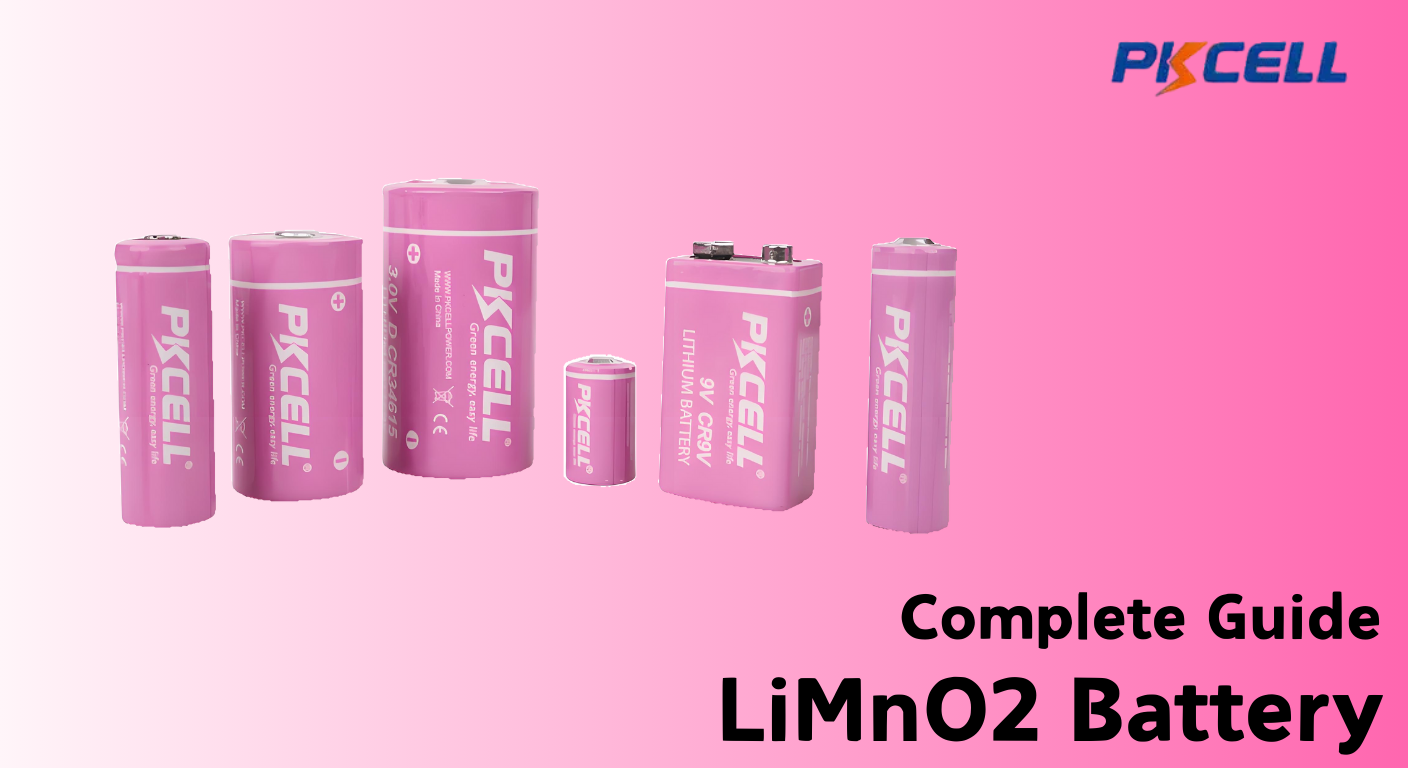
A LiMnO2 battery, also known as a lithium manganese dioxide battery, is a non-rechargeable primary lithium battery that typically provides a nominal voltage of 3V per cell. Lithium serves as the negative electrode material, while manganese dioxide (MnO2) is used as the positive electrode material (cathode).
LiMnO2 batteries are available in different formats, including cylindrical CR-series cells and lithium coin cells. Common models include CR123A, CR2 and CR2032, although their dimensions, capacities and discharge characteristics vary by model.
For engineers and OEM buyers, the main selection factors include nominal voltage, battery dimensions, capacity under specified test conditions, operating temperature, continuous and pulse current requirements, and expected service life. The right LiMnO2 battery depends on the device's electrical load and available installation space rather than size alone.
Working Principle
The Lithium Manganese Dioxide (LiMnO2) battery has metallic lithium on the negative side and heat-treated manganese dioxide on the positive side. It uses a special organic electrolyte solution that conducts electricity well.
When the battery works, lithium atoms from the anode let go of electrons. These electrons travel through an outside circuit and help power the device. At the same time, lithium ions move through an electrolyte substance to reach the cathode. There, they mix with manganese dioxide. This creates a steady voltage of 3.0V, making it useful for many things. The battery has a special spinel structure. This structure helps lithium ions move better, which improves the performance. Most LiMnO2 batteries cannot be recharged. Charging them can cause internal reactions that are not safe to fix.
| Feature | Detail |
|---|---|
| Type | Non-rechargeable lithium battery |
| Nominal Voltage | 3V, 6V, 9V |
| Nominal Capacity | 600~12000 mAh |
| Weight | 11~125 g |
| Operating Temperature Range | From -40°C to +85°C |
| Shelf Life | > 10 years |
| Hot Selling Model | CR34615, CR14250, CR123A, CR26500, CR14505 |
Pros and Cons of Li-MnO2 Batteries
Operating temperature, rated capacity, self-discharge rate, shelf life and maximum discharge current are model-specific parameters, not universal values for all LiMnO₂ batteries. For OEM projects, confirm the latest datasheet and validate samples under the actual device load profile.
Common Application Scenarios of LiMnO2 Batteries
LiMnO2 batteries are known for their special qualities. They last a long time, store a lot of energy, and maintain a steady voltage. These features make them great for daily electronics and specific tools. You can find them on many devices across various fields.
1. Consumer Electronics

LiMnO2 batteries are compact and give a reliable power supply. You can often see them in gadgets like watches, cameras, calculators, remote controls, and toys.
2. Medical Devices

LiMnO2 batteries are widely used in medical devices. You can see them in items like pacemakers, glucose monitors, and hearing aids. These batteries are safe and reliable.
3. Smart Meters

Smart meters require a suitable power source to share data and show information correctly. The Li-MnO2 battery is an excellent option for smart meters. This battery gives steady power to the parts of the meter. This way, data is sent accurately, even in challenging places or distant areas.
4. Security Monitoring Equipment

LiMnO2 batteries are often found in security devices like wireless cameras, alarms, and smoke detectors. They last a long time and provide a consistent voltage. They also require very little maintenance. This is why they are great for devices that usually stay in standby mode.
5. High-Energy Small Electronics

LiMnO2 batteries are perfect for devices like laser rangefinders, GPS, smart locks, and memory backup systems. They last long and have a strong output, making them ideal for many everyday devices.
LiMnO2 vs. Other Types of Lithium Batteries
LiMnO2 batteries are a type of lithium battery. There are other kinds as well, like lithium thionyl chloride (LiSOCl2), lithium-ion (Li-ion), and lithium-iron disulfide (Li-FeS2). Each type has its own benefits and drawbacks. Now, let's explore some key differences.
| Feature | LiMnO2 | LiSOCl2 | Li-ion | Li-FeS2 |
|---|---|---|---|---|
| Energy Density | Moderate | High | High | Low to Moderate |
| Rechargeability | Non-rechargeable | Non-rechargeable | Rechargeable | Non-rechargeable |
| Temperature Range | Good (works in a wide temperature range) | Excellent (wide temperature range) | Good (depends on specific type) | Good (works in a wide temperature range) |
| Safety | High (stable, less risk of overheating) | High (stable in extreme conditions) | Moderate (the risk of thermal runaway) | Good |
| Cost | Low to Moderate | High | Moderate to High | Moderate |
| Environmental Friendliness | More (relatively safe materials) | Less (toxic materials, difficult to recycle) | Moderate | Moderate |
| Common Uses | Consumer electronics, medical devices, power tools | Consumer electronics, Remote sensing, military, Industrial applications | Consumer electronics, electric vehicles | Consumer electronics |
How to Choose the Suitable LiMnO2 Battery for Needs?
Choosing the right LiMnO2 battery is essential. You need to think about several key points:
- Size and Shape: LiMnO2 batteries come in different sizes and shapes. Make sure the battery fits your device's battery spot.
- Voltage and Capacity Needs: Find out the voltage and capacity your device requires. It's important to match these for the best performance.
- Discharge Rate and Current Use: Look at how much current your device needs. Choose a battery that can fit that.
- Battery Life: LiMnO2 batteries last long. Still, check the production and expiration dates before buying. Avoid batteries near their expiration date because they might lose power.
- Brand and Quality: The quality of LiMnO2 batteries differs by brand, which affects how well they work and their safety. Choose well-known brands like Pkcell for a battery that is safe and trustworthy.
- Price and Amount: Think about how many batteries you need. If you use them a lot, buying larger packs can save money. Many brands, including Pkcell, provide discounts for buying in bulk and have flexible minimum order options.
Safety Considerations of LiMnO2 Batteries

- Proper Storage: Store LiMnO2 batteries in a cool and dry place. Keep them away from sunlight, heat, and moisture. Don't store them near water or fire.
- Do Not Charge: LiMnO2 batteries are usually not rechargeable. Charging them can cause serious safety issues, such as leaks or overheating.
- Prevent Short Circuits: Always handle the batteries carefully. Prevent short circuits by not letting them touch or stack metal items loosely.
- Avoid Physical Damage: Never drop, puncture, or take apart these batteries. Physical damage can cause dangerous leaks, overheating, or even explosions.
- Monitor for Leaks: Regularly check the battery for leaks, bulging, or damage. If you notice problems, dispose of it safely and get a new one.
- Keep Away from Children and Pets: The small size of the LiMnO2 battery can be a choking hazard. Always store it away from children and pets.
- Proper Disposal: Follow local rules for disposing of batteries. Never throw used lithium batteries in the regular trash.
LiMnO2 batteries are generally safer than other lithium batteries. Still, you need to handle them carefully to stay safe.
How Should LiMnO2 Batteries Be Properly Disposed?

It is essential to dispose of batteries safely to protect the environment. Lithium batteries contain fewer harmful materials than regular alkaline batteries. However, they still have chemicals that can damage the environment. If you do not throw away these batteries correctly, they can leak dangerous substances into the soil and water. This can harm the ecosystem and create safety risks, like starting fires. So, please follow these recycling tips:
- Check out the battery recycling programs that are close to you.
- Avoid burning LiMnO2 batteries or tossing them in regular trash.
- Find the best collection spots at recycling centers and some stores.
- Make sure the battery is not leaking or broken before recycling it.
- Use proper packaging to hold the batteries.
Future Developments in LiMnO2 Battery
The future of LiMnO2 batteries is promising. Researchers are continuing to work on improving LiMnO2 batteries and solving some of their problems.
- Update production methods: Researchers are working on new technologies. These are meant to make making LiMnO2 batteries cheaper.
- Improved Cathode Materials: Researchers are looking into new materials and changes. These could improve the energy and life of LiMnO2 batteries.
- Electrolyte Optimization: There is a focus on improving electrolyte mixtures and extras. This will help LiMnO2 batteries conduct electricity better and be more stable.
- Solid-State Electrolytes: The development of solid-state electrolytes could offer better future safety and energy for LiMnO2 batteries.
- Thin-Film and Micro-Battery Designs: Making super-thin, flexible LiMnO2 batteries might change how we use gadgets like wearables and portable electronics.
Conclusion
LiMnO2 batteries have several advantages. They have a high energy density, are safe, and are friendly to the environment. Because of these benefits, they are great for consumer electronics, medical devices, and IoT devices. Understanding how these batteries function, what sets them apart from other lithium batteries, and the future possibilities can help you make smart choices. If you want a dependable and top-notch LiMnO2 battery, check out the Pkcell brand. For more information or to ask for a quote, feel free to contact us anytime.

Post time: Feb-25-2025


