

Smart grid programs and asset tracking networks keep pushing into new geographies, and the cells inside those devices are quietly expected to outlive the warranty on everything else in the box. National utility tenders now write ten-year maintenance-free service into their contracts without flinching, which sounds reasonable on paper until someone has to climb into a frozen utility pit to replace a dead meter. Because these systems usually end up in places nobody wants to revisit — pole-mounted boxes, underground vaults, offshore platforms — the battery effectively decides whether the deployment holds together or falls apart. Bidding consortia and procurement leads feel that pressure most acutely during engineering qualification, where the technical reviewers tend to ask uncomfortable questions. Identifying a Professional ER14505 LiSOCl2 Battery Exporter capable of clearing those questions is the only way to lay down a defensible technical baseline. A serious sourcing strategy moves past unit price almost immediately. The real questions involve long-term electrochemical drift, factory-floor discipline, and whether the certification paperwork will actually clear customs in three regions simultaneously. Working with a manufacturer that has been through this cycle before — not just selling cells, but supporting them through deployment — tends to save the kind of money that doesn’t show up on a quote sheet.
Raw Material Traceability and the Anti-Passivation Question
Lithium thionyl chloride chemistry earns its place in industrial applications through a combination of high energy density and self-discharge rates so low they’re almost a rounding error. That same chemistry, though, develops a thin lithium chloride film on the lithium surface during long storage or extended sleep periods. The film is genuinely useful — it’s what keeps the cell from losing energy during those quiet years — but it causes a temporary voltage dip when the device suddenly wakes up and draws current. If that dip falls below the hardware’s cutoff threshold, the remote unit goes silent right when the network needs to hear from it. Procurement teams who have lived through a fleet of dropouts know exactly how this plays out.
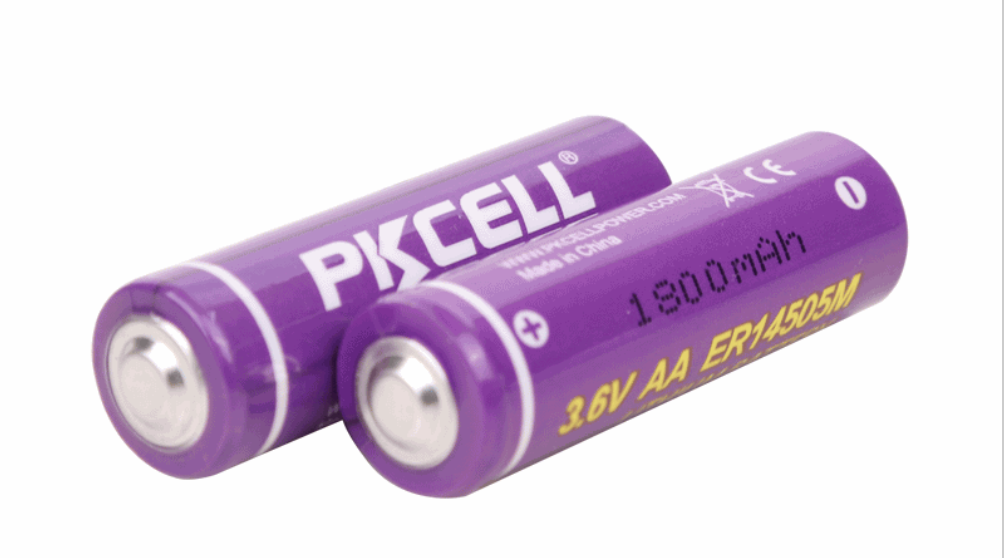
The right line of questioning starts with raw material traceability. Reputable exporters maintain purity specifications on incoming lithium metal and refined thionyl chloride, and they should be willing to show the documentation. PKCell, for example, uses proprietary additives that influence how the passivation layer crystallizes — the goal being to control growth without sacrificing the long-term storage benefit. The practical effect is faster voltage recovery on wake-up, even in cold-soak conditions. Cold-chain logistics trackers riding ocean freight through wildly different climates depend on exactly this behavior, and substandard cells reveal themselves the first time a container moves from a Singapore port to a Rotterdam warehouse in January. Asking for chemical testing documentation upfront separates the suppliers who have engineered around the passivation problem from the ones who haven’t really thought about it.
Automation Precision and Cell Uniformity Across Million-Unit Rollouts
IoT deployments rarely involve a few hundred devices. They involve tens of thousands of Bluetooth beacons, sensor nodes, and asset tags going into the field on the same schedule. At that volume, even a small statistical failure rate produces a maintenance burden nobody budgeted for. Manual assembly tends to be where the trouble starts — slight variations in electrolyte fill, inconsistent seal pressure, the kind of human variability that doesn’t show up on a five-minute electrical test but matures into field failures eighteen months later.
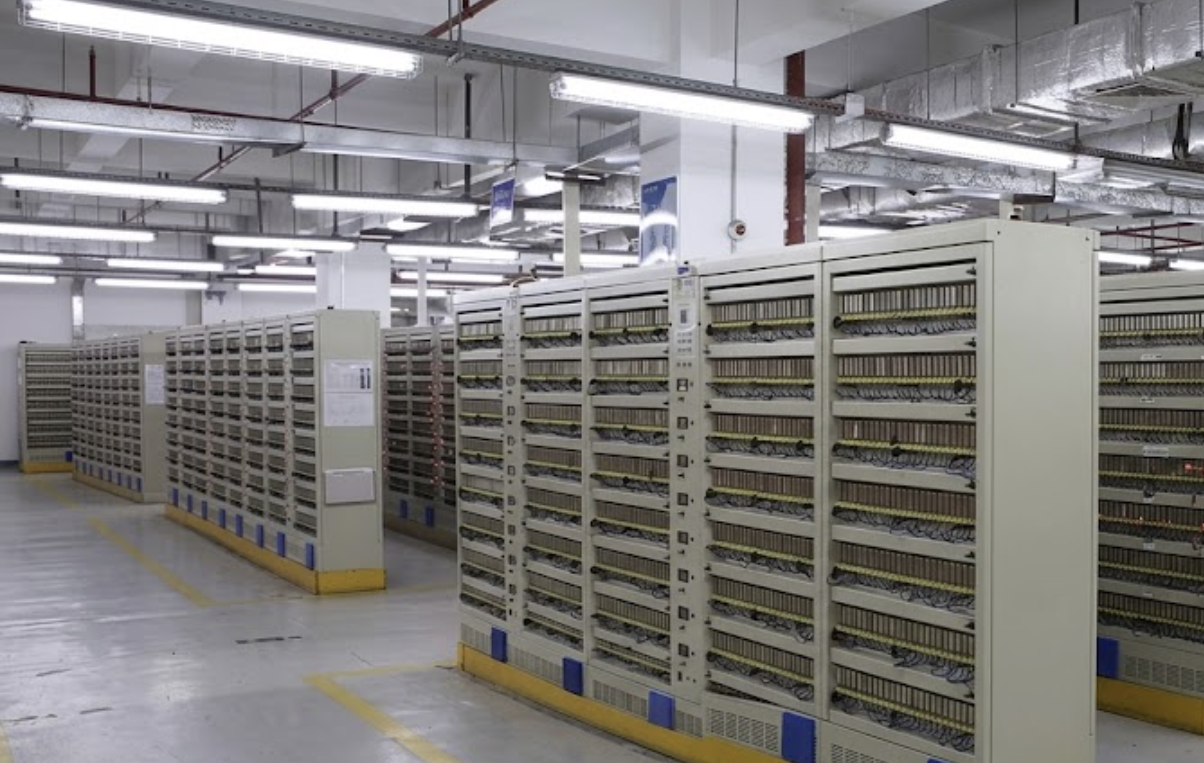
Shenzhen Pkcell Battery Co., Ltd. handles this through fully automated production lines that take human judgment out of the steps where it doesn’t belong. Electrode winding, electrolyte injection, and laser seal welding all run under computerized monitoring, with the system flagging units that drift outside specification before they reach the next station. The arrangement isn’t unique to one factory, but the discipline of actually running it consistently is what separates good production floors from the rest. Beyond the automation itself, the facility tests every finished cell — open-circuit voltage, load voltage, internal resistance — rather than relying on statistical sampling. High-temperature aging catches the latent defects that quick electrical checks miss. An OEM receiving shipment after shipment can plan around the assumption that batch ten will behave like batch one, which in this market is worth real money.
Certification Portfolios That Actually Move Cargo Through Customs
Primary lithium cells are Class 9 dangerous goods under international transport rules, and the paperwork around moving them across borders gets unforgiving fast. Documentation gaps don’t just slow shipments — they get containers detained, generate carrier penalties, and occasionally end relationships with freight forwarders who decide the risk isn’t worth it. A manufacturer’s regulatory file therefore turns into part of the supply chain itself rather than a backstage concern.
PKCell (Shenzhen Pkcell Battery Co., Ltd.) maintains the regulatory portfolio that keeps shipments moving without the calls from customs brokers nobody wants to receive. ISO 9001 covers the quality management system. IEC 60086-4 addresses primary battery safety. Current Material Safety Data Sheets and complete UN 38.3 transport reports travel with every shipment, which is what air freight carriers and maritime lines actually want to see. UL component recognition, RoHS, and REACH round out the documentation needed for North American and European markets. The point isn’t that any single certificate is exotic — it’s that having all of them, valid and matched to the specific cell models being purchased, eliminates the customs delays that quietly destroy project timelines. Asking for these documents during RFQ is one of the fastest ways to separate actual manufacturers from trading firms forwarding someone else’s product.
Mechanical Customization and the Track Record Behind It
Modern telemetry hardware tends to come with packaging constraints that an off-the-shelf AA cell simply can’t satisfy. Tight enclosure geometries, awkward connector orientations, custom harness lengths — every new project seems to introduce another wrinkle. Procurement teams evaluating exporters should look closely at whether the factory can flex on these mechanical details at production volumes, not just on prototypes. The engineering departments at PKCell handle this through tailored termination work — radial solder tabs, axial wire leads, heavy-duty connectors matched to specific harness pinouts, and multi-cell pack configurations built around the customer’s PCB layout.
Micro-spot welding equipment applies these custom terminations cleanly, without transmitting thermal energy into the delicate glass-to-metal seals that determine the cell’s long-term integrity. That detail matters more than it sounds — a sloppy welding setup can compromise the seal in ways that don’t surface until the cell has been in the field for two years. The mechanical flexibility ends up giving the device designer real freedom to optimize enclosure space and improve impact resistance, which translates into longer service life under industrial vibration. Combined with the high energy density and wide temperature tolerance inherent to the ER14505 platform, this customization depth positions the cell as an ultimate power solution for IoT industrial devices operating across demanding commercial sectors worldwide.
Beyond the physical side, procurement should weigh field history within the target application. Spec sheets describe what a cell ought to do under controlled conditions. Deployment records describe what it actually did under real ones. PKCell’s deployment footprint across global smart grid networks provides the kind of operational evidence that engineering reviewers respect — stable energy delivery across decade-long lifecycles, supported by units already in the ground rather than promises printed on glossy datasheets.
Conclusion
Procuring primary industrial batteries at global scale is a balancing act among chemistry, manufacturing discipline, and regulatory readiness — and unit price is rarely the variable that matters most. Sourcing teams that look past the quote sheet, ask the harder questions, and partner with a manufacturer that has navigated the same terrain before, end up protecting their capital from the failure modes that show up years after the original PO. Through automated fabrication, tiered quality assurance, and complete certification coverage, Shenzhen Pkcell Battery Co., Ltd. meets the requirements that international industrial markets actually impose. Building a supply chain around a manufacturer with that combination of capabilities tends to make the difference between a project that ships on schedule and one that doesn’t. Additional product specifications, certification documentation, and customization workflows are available at https://www.pkcellpower.com/.
Post time: May-20-2026


