

PKCELL at Hong Kong Electronics Fair Autumn 2026: Connecting Battery Technology with Industrial Needs
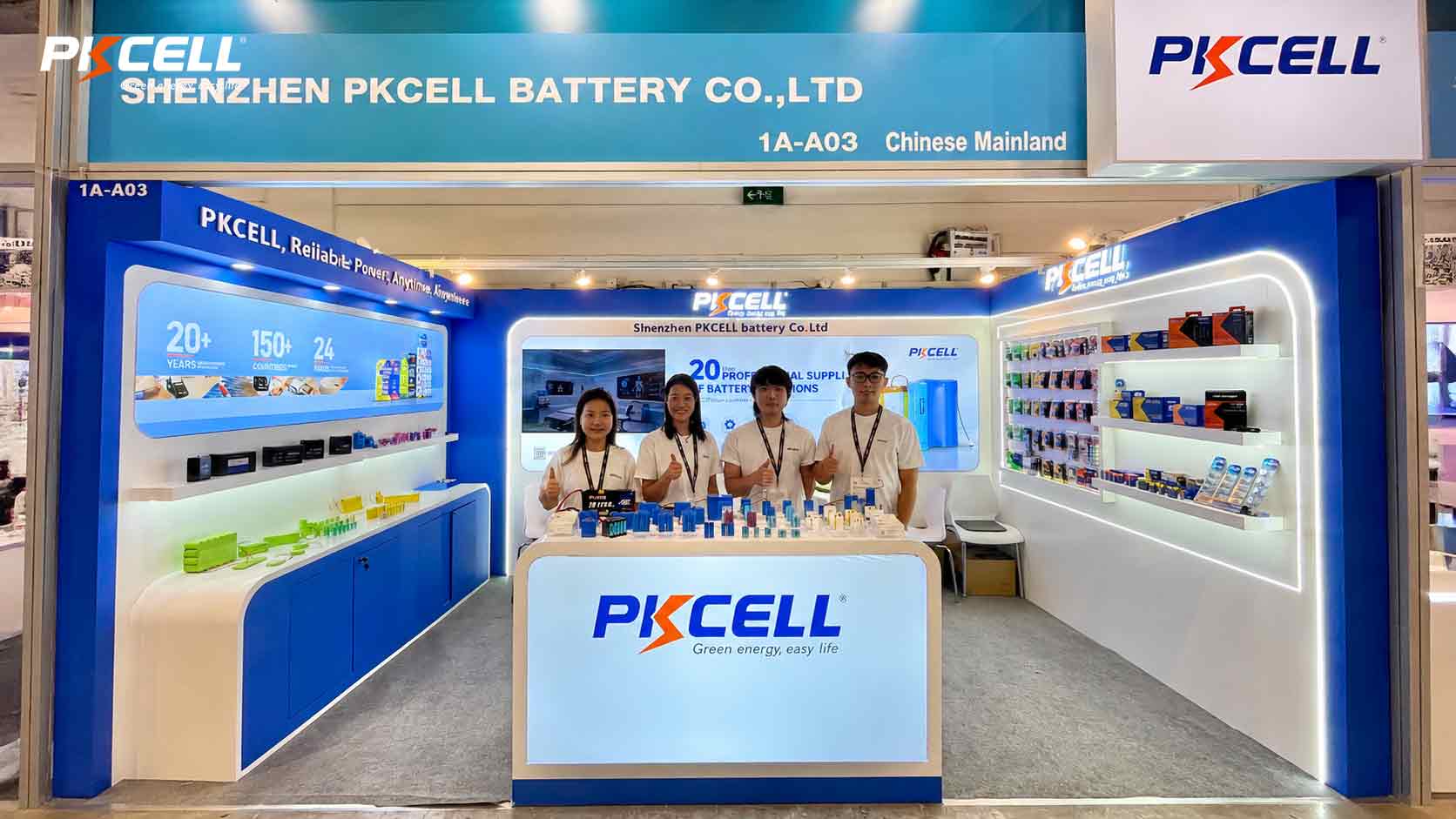
From October 13 to 16, 2026, PKCELL participated in the HKTDC Hong Kong Electronics Fair (Autumn Edition) at the Hong Kong Convention and Exhibition Centre. At Booth 1A-A03, PKCELL presented its battery expertise and primary lithium battery solutions for industrial electronics, smart metering, remote monitoring and other battery-powered applications.
For industrial equipment manufacturers, battery selection is closely linked to product design, operating conditions and maintenance planning. A battery that meets a device’s nominal voltage requirements may still need further evaluation for pulse loads, environmental temperature, installation constraints and expected service life.
Looking back at the exhibition, these engineering considerations provide a useful framework for evaluating primary lithium battery technologies and identifying the information needed to move an OEM project from initial requirements to technical assessment.
Looking Back: Why Battery Selection Matters in Industrial Electronics
Industrial battery requirements are shaped by how a device consumes energy throughout its operating cycle. A remote sensor may remain in standby for most of its service life, while a connected meter may need additional current for communication. A compact security device may impose different constraints on dimensions, voltage and discharge behavior.
These differences mean that battery selection should begin with the equipment’s actual requirements rather than a single specification such as nominal capacity.
For projects involving primary lithium batteries, three considerations are particularly important:
- Energy over time: How much energy does the device consume during standby, measurement and active operation?
- Power delivery: Does the device require short bursts of current that could affect voltage stability?
- Deployment conditions: How do operating temperature, installation space and maintenance access affect the choice of battery?
These factors help engineers compare candidate battery technologies against the real demands of their equipment. They also provide a practical starting point for technical discussions between an equipment manufacturer and a battery supplier.
Three Battery Engineering Priorities for Connected Devices
1. Balancing Long Service Life with Actual Energy Consumption
For equipment deployed in remote or difficult-to-access locations, battery replacement can involve additional maintenance time and cost. Smart utility meters, data loggers and remote monitoring devices therefore often require careful evaluation of self-discharge, operating current and expected deployment duration.
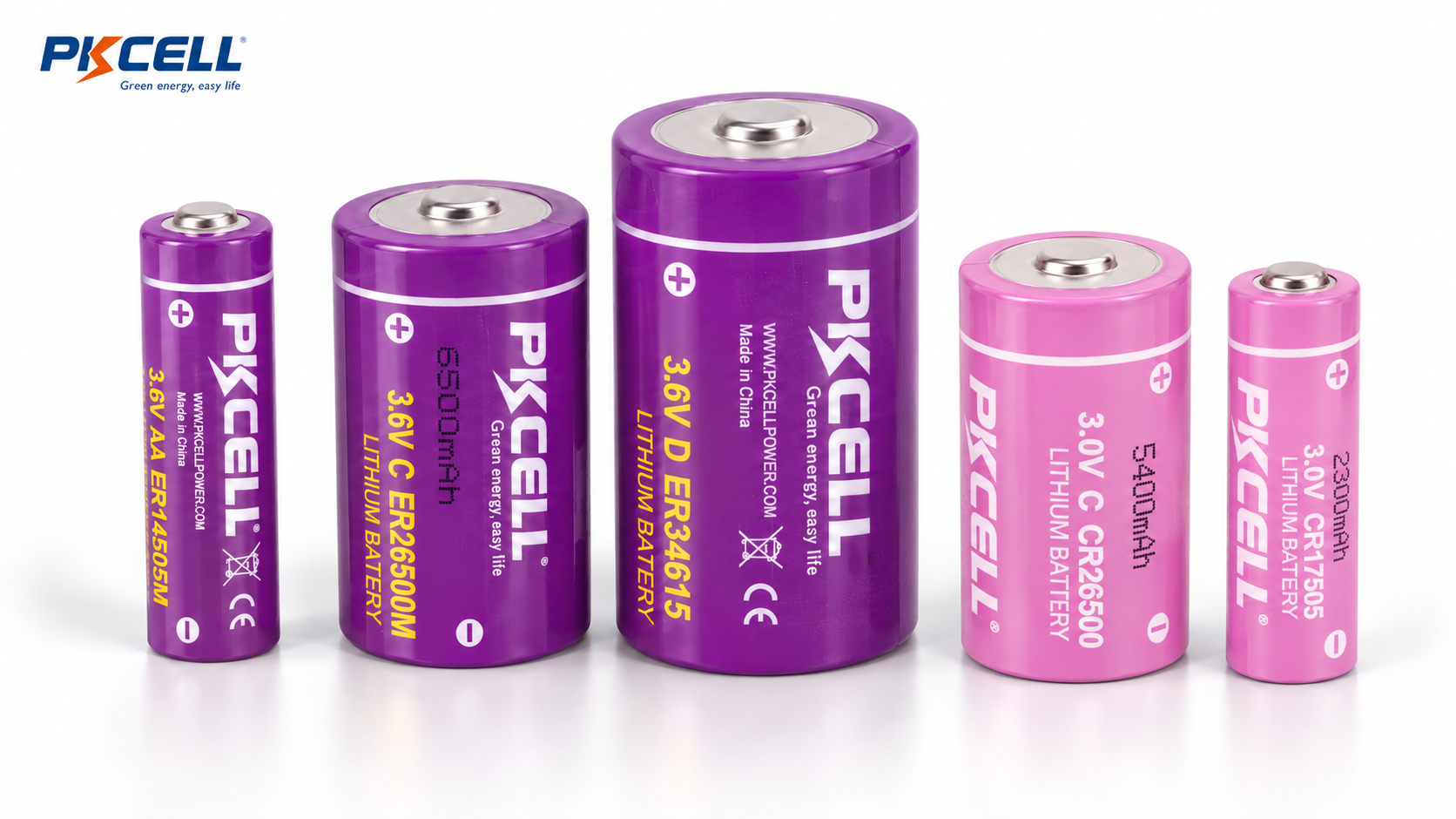
Li-SOCl2 batteries are commonly considered for long-life, low-current applications. PKCELL’s ER-series portfolio includes ER14250, ER14505, ER26500 and ER34615, offering different form factors and capacity options for application assessment.
The appropriate model depends on the device’s power budget, minimum operating voltage, environmental conditions and required service interval. Estimated battery life should be validated against the actual operating profile rather than calculated from nominal capacity alone.
Explore PKCELL Li-SOCl2 ER Batteries
2. Evaluating Pulse Loads in Wireless Equipment
Some battery-powered devices consume very little current during standby but draw significantly more power during data transmission, wireless communication or other short operating events. In these cases, average current does not fully describe the demands placed on the battery.
An ER battery combined with a hybrid pulse capacitor (HPC) can be evaluated for applications that require extended energy supply alongside intermittent pulse support. The design needs to be assessed against pulse duration, repetition rate, operating temperature and voltage limits.
Testing under representative operating conditions helps determine whether a standard cell or a battery-plus-capacitor configuration is suitable for the device.
Explore ER + HPC Battery Pack Solutions
3. Matching Compact Battery Formats to Device Requirements
Product dimensions and electrical compatibility are particularly important for compact electronics. A battery must fit the available compartment while meeting the device’s voltage, current and operating-life requirements.
Li-MnO2 batteries such as CR123A and CR2 can be evaluated for selected security electronics and other compact devices that require an appropriate primary lithium power source.
Before substituting a battery model, equipment designers should verify its electrical characteristics, physical dimensions, discharge behavior and suitability for the intended application.
Explore PKCELL Li-MnO2 Batteries
From Battery Specifications to Real-World Applications
Understanding the operating environment helps turn battery specifications into practical design decisions. The following examples illustrate how different requirements influence the evaluation process.
Smart Metering and Remote Data Collection
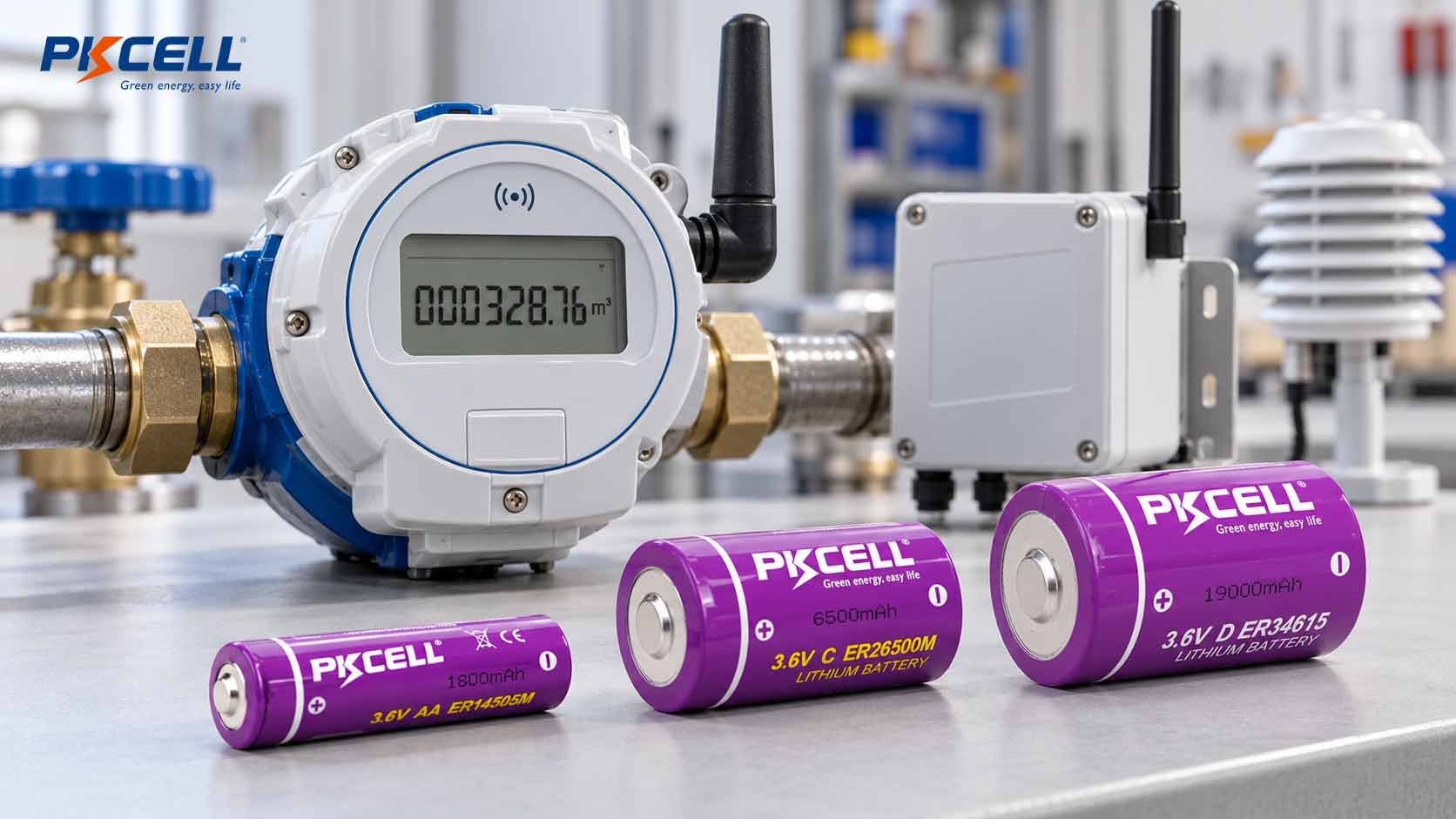
Utility meters and remote data loggers may spend extended periods in low-power operation, with scheduled measurement and communication events. Engineers should account for standby consumption, reporting frequency, pulse demand and the expected maintenance interval.
Li-SOCl2 batteries are one option to evaluate for these applications, subject to the device’s electrical requirements and operating conditions.
Explore Utility Meter Battery Solutions
Wireless Sensors and Industrial Monitoring
Remote sensors may operate outdoors or in locations where access is limited. Temperature range, sampling frequency, wireless transmission and servicing requirements can all influence battery selection.
For equipment with intermittent high-current demands, evaluating the complete load profile is important before deciding whether a conventional primary cell or an ER + HPC configuration should be tested.
Security and Electronic Backup Systems
Security electronics and backup systems may prioritize compact dimensions, long standby periods and reliable operation within a defined voltage range. The battery must be compatible with the device architecture and capable of meeting its expected operating requirements.
These examples are application considerations, not universal product recommendations. Final battery selection should be based on the specific device design, relevant datasheets and validation results.
Explore Primary Lithium Battery Application Solutions
Supporting the Next Stage of OEM Battery Development
Choosing the right battery is only one part of an industrial product development project. The battery must also fit the device mechanically, connect correctly to the power system and meet the project’s electrical and environmental requirements.
Depending on the application, a customized primary lithium battery pack may require consideration of:
- Voltage and capacity requirements.
- Cell arrangement and pack dimensions.
- Wire length, connectors and terminal configuration.
- Operating temperature and discharge profile.
- Installation constraints and project-specific qualification requirements.
Early technical coordination can help identify these requirements before prototype evaluation. Providing accurate application information also helps the battery supplier assess which products or configurations warrant further testing.
Explore Customized Primary Lithium Battery Packs
Continuing the Conversation After the Exhibition
The conclusion of Hong Kong Electronics Fair Autumn Edition 2026 marks an opportunity to continue evaluating the battery requirements identified during product development and sourcing activities.
For companies developing industrial electronics, the next step may be to confirm a suitable standard cell, compare alternative battery formats or assess whether a customized pack is needed. The process begins with a clear understanding of the application and its operating conditions.
When contacting PKCELL about a project, it is helpful to provide the following information:
- Device application: What the equipment does and where it operates.
- Electrical profile: Required voltage, average current, peak current and pulse behavior.
- Operating life: Expected deployment duration and maintenance interval.
- Mechanical requirements: Available space, terminals, wires and connectors.
- Project scope: Estimated quantity, prototype requirements and target production schedule.
This information helps establish a more focused technical discussion and identify suitable options for further evaluation.
PKCELL: Primary Lithium Battery Solutions for Industrial Projects
PKCELL’s participation in the 2026 Hong Kong Electronics Fair reflects its continued focus on primary lithium battery products and application-oriented power solutions. For industrial equipment manufacturers, selecting an appropriate battery requires consideration of energy demand, discharge characteristics, environmental conditions and system integration.
PKCELL welcomes inquiries from OEMs, equipment manufacturers, distributors and sourcing teams seeking primary lithium battery products or customized battery pack solutions.
Have an industrial battery project to evaluate?Share your application, electrical requirements and estimated quantity with PKCELL to discuss suitable primary lithium battery options.
Contact PKCELL About Your Battery Project →
Product focus: Li-SOCl2 Batteries · Li-MnO2 Batteries · ER + HPC Solutions · Customized Primary Lithium Battery Packs
Thank you to everyone who connected with PKCELL during Hong Kong Electronics Fair Autumn Edition 2026. We look forward to continuing industry discussions and supporting future battery-powered product development projects.
Post time: Oct-19-2026


