
News
-
CR2025 vs CR2032 Application Comparison: Which Coin Cell Battery Should Engineers Choose?
Introduction Selecting between CR2025 and CR2032 lithium coin cell batteries is not simply a matter of capacity difference. In practical product development, engineers must evaluate enclosure tolerance, discharge profile stability, pulse current demand, and long-term st...Read more -

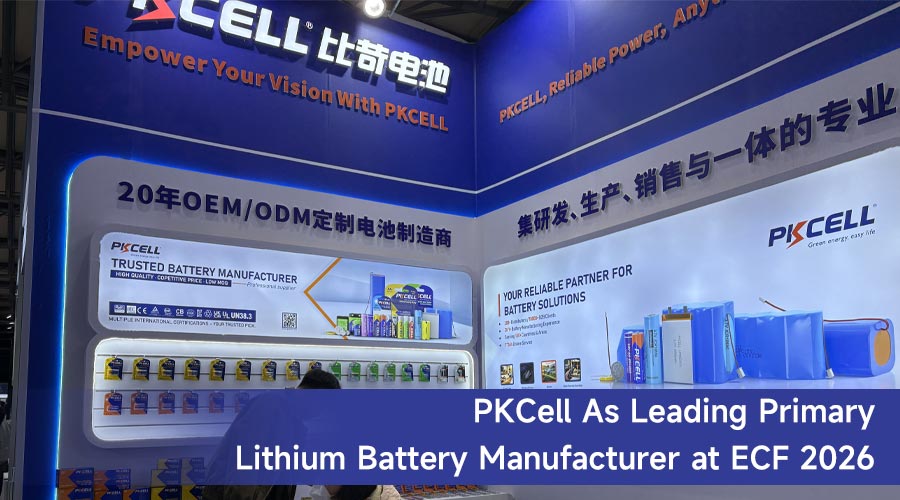
PKCell As Leading Primary Lithium Battery Manufacturer at ECF 2026
SHANGHAI, March 2026 – Shenzhen PKCell Battery Co., Ltd. successfully showcased its Lithium Primary Battery portfolio at the 34th East China Fair (ECF), solidifying its position as a premie...Read more -
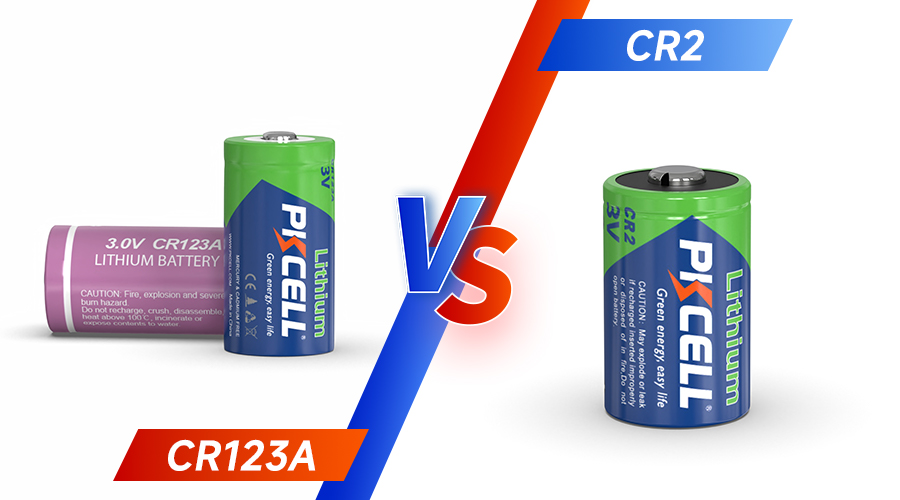
CR123A vs CR2 Battery: Key Differences and How to Choose the Right One
Lithium batteries power many modern electronic devices, from security systems to industrial sensors. Among the most commonly used 3V lithium batteries are CR123A and CR2. Both batteries are cylindrical lithium batteries, and both deliver a 3-volt output. However, the two batteries differ signifi...Read more -
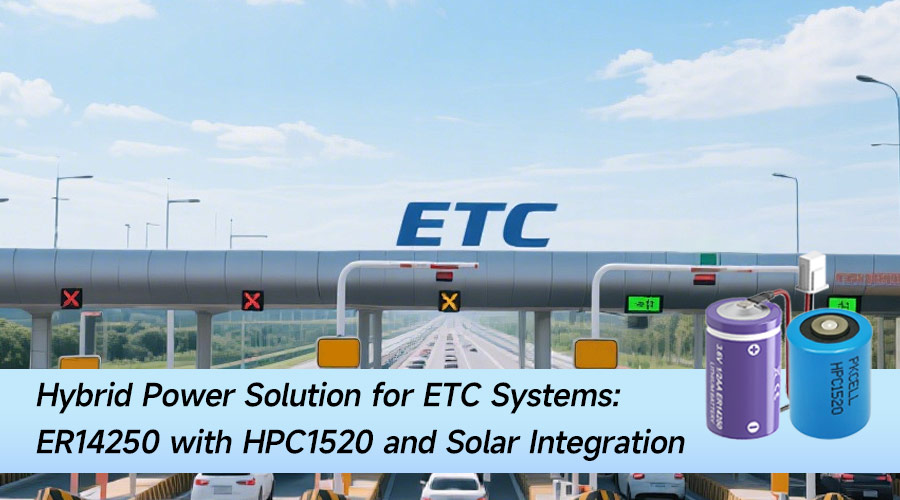
Hybrid Power Solution for ETC Systems: ER14250 with HPC1520 and Solar Integration
For ETC onboard units and roadside modules, reliability is not just desirable — it is mandatory. Devices are exposed to harsh winters, intense summer heat, vibration, and long periods of inactivity. Battery replacement is expensive and logistically difficult. Over time,...Read more -
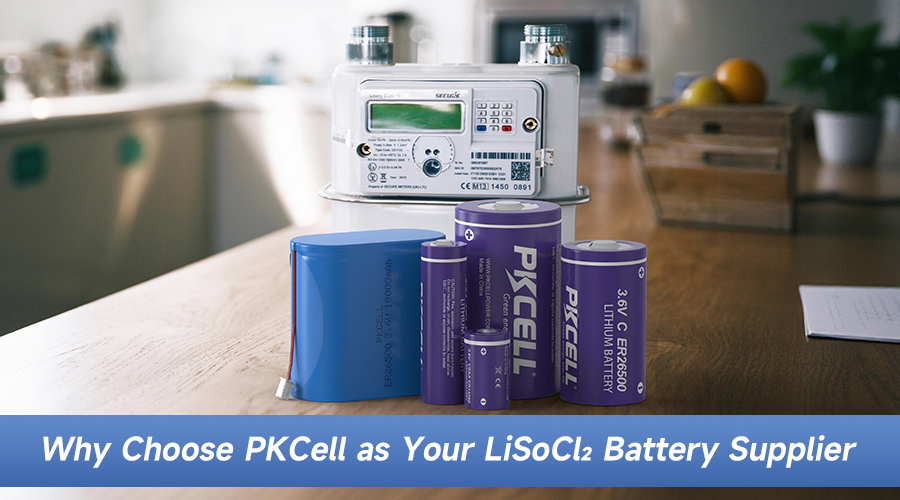
Why Choose PKCell as Your LiSoCl₂ Battery Supplier
The choice of battery supplier directly affects product performance, operational cost, and customer confidence. Primary lithium thionyl chloride (LiSoCl₂) batteries — with energy densities and self-discharge rates below 1 % per year — are among the most effective power sources for remote and lon...Read more -
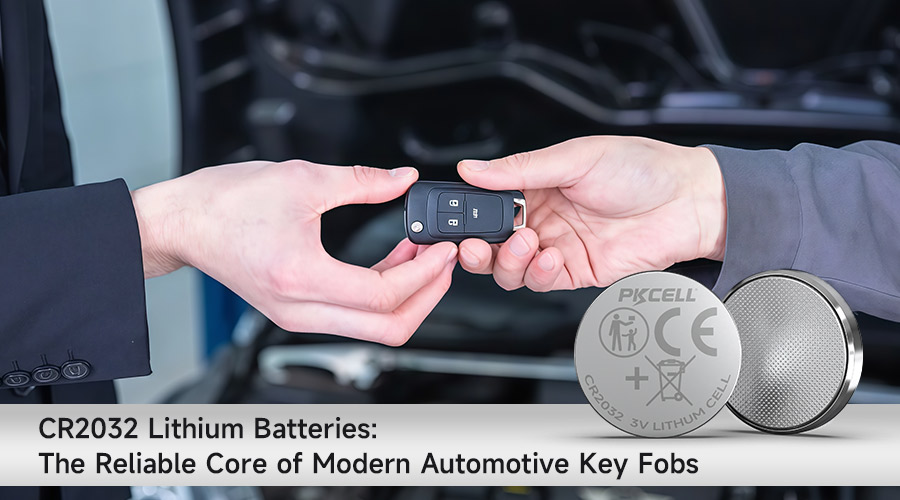
CR2032 Lithium Batteries: The Reliable Core of Modern Automotive Key Fobs
Key Highlights CR2032 LiMnO2 battery is engineered to handle 15–30mA high-pulse currents required for Remote Keyless Entry (RKE). Using LiMnO2 chemistry, this CR battery can operate over a broad temperature range, from -20°C to +60°C The battery has an ultra-low self-discharge rate (<1% per ...Read more -
Powering Romance: Primary Lithium Button Cell for Valentine’s Day Gifts
Main Points Primary lithium button cells offer up to 10 years of storage. The feature ensures gifts remain powered from the factory to the recipient’s hand. The Lithium Manganese Dioxide (LiMnO2) provides a stable 3.0V discharge, which is ideal for sensitive electronics. The CR2032 button...Read more -
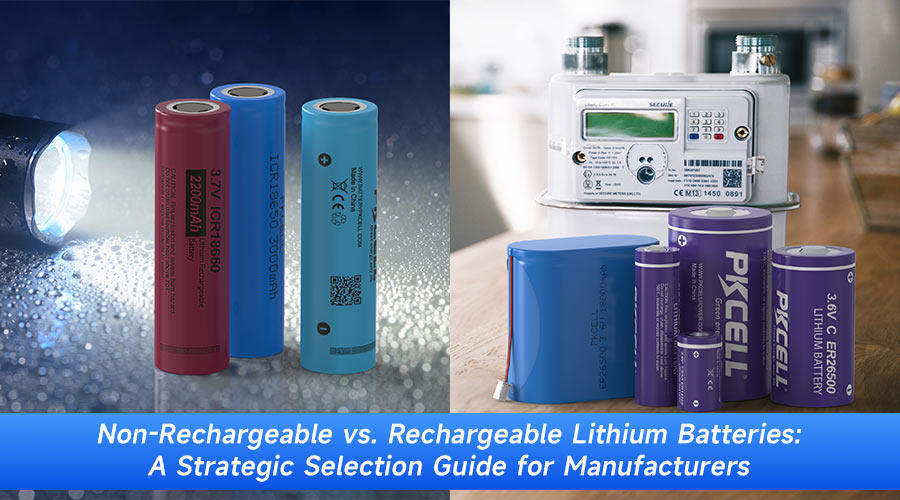
Non-Rechargeable vs. Rechargeable Lithium Batteries: A Strategic Selection Guide for Manufacturers
3 Key Highlights for Lithium Battery Selection Non-rechargeable Li-SOCl2 batteries offer the highest energy density (up to 590 Wh/kg) and feature a low self-discharge rate (<1% per year), ideal for sensing devices. Non-rechargeable LiMnO2 batteries can operate in extreme environments from -4...Read more -
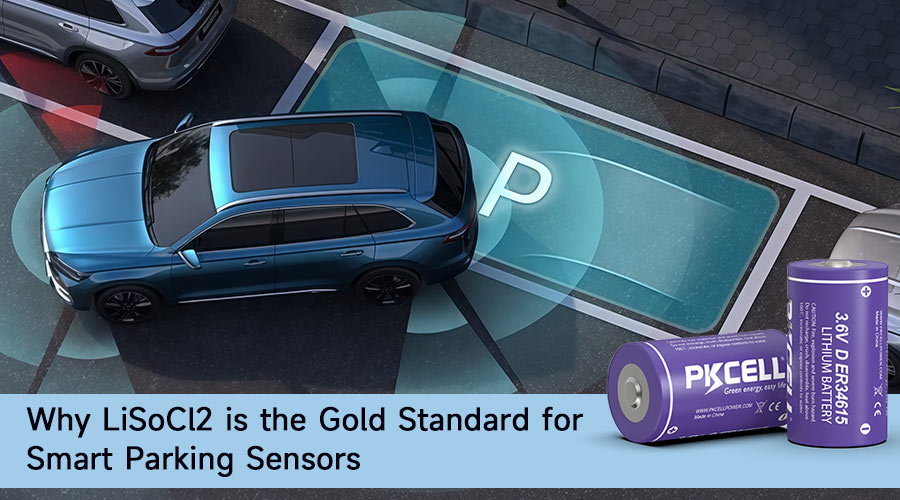
Why LiSoCl2 is the Gold Standard for Smart Parking Sensors?
Key Highlights A li socl2 3.6 v battery has a self-discharge rate of less than 1% per year and provides a maintenance-free lifespan of 10 to 20 years. These batteries operate reliably from -40°C to +85°C, making them ideal for sensors embedded in freezing ground or hot asphalt. Lisocl2 chemistr...Read more -
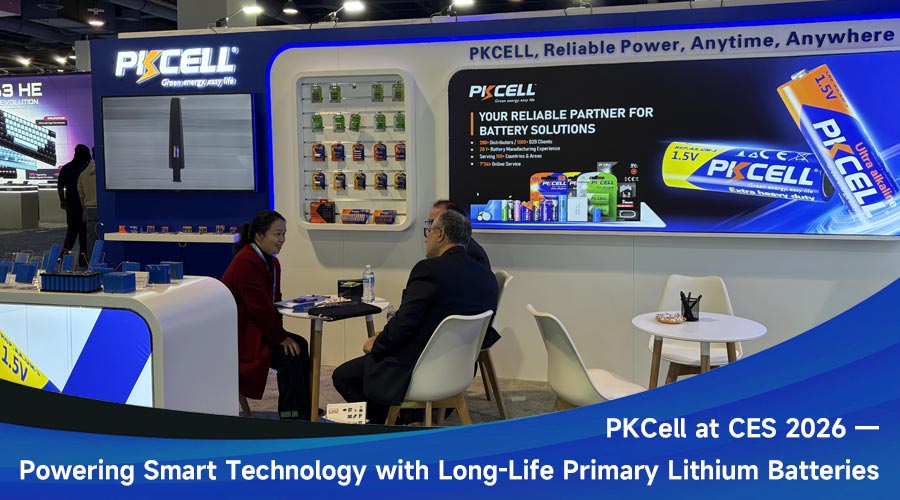
PKCell at CES 2026 — Powering Smart Technology with Long-Life Primary Lithium Batteries
Las Vegas, USA, January 6–9, 2026 — PKCell participated in CES 2026, one of the world’s most influential exhibitions for consumer technology and innovation, held in Las Vegas, Nevada. This exhibition brings together global leaders in electronics, IoT, smart devices, and emerging technologies. Fo...Read more -
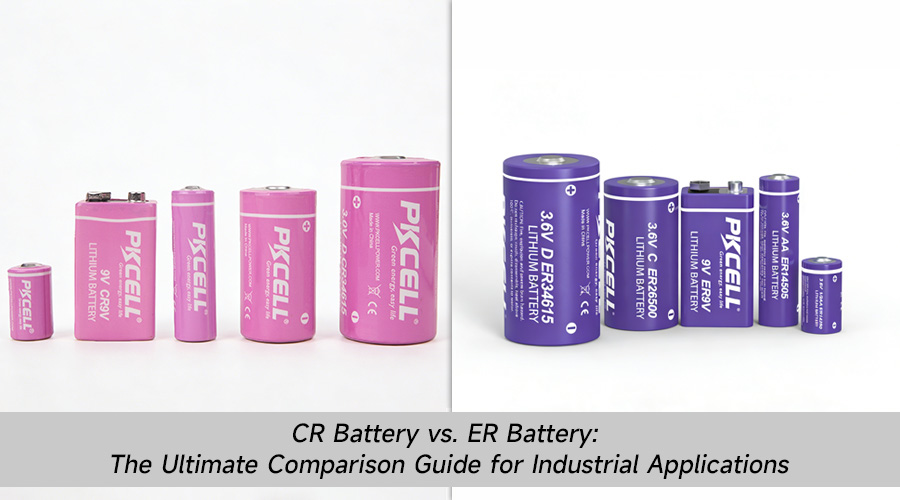
CR Battery vs. ER Battery: The Ultimate Comparison Guide for Industrial Applications
Key Facts A LiMnO2 battery (CR) typically provides 3.0V, whereas a li socl2 3.6 v battery (ER) offers a higher nominal voltage for energy-intensive electronics. LiSoCl2 chemistry possesses the highest energy density of any mass-produced primary battery, making it the “gold standard”...Read more -
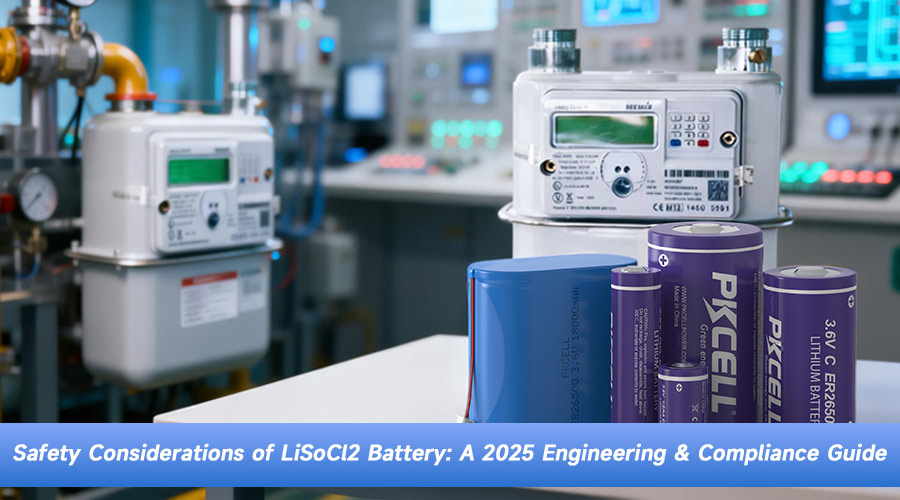
Safety Considerations of LiSoCl2 Battery: A 2025 Engineering & Compliance Guide
The lithium thionyl chloride battery is a long-lasting and trustworthy power source for the IoT industry, especially smart meters and subsea sensors. However, its high energy density comes with unique safety profiles that every engineer and sourcing manager must understand. This guide provides a...Read more