Как рассчитать время работы батареи для устройств LoRaWAN и NB-IoT
Срок службы батареи — одна из важнейших целей проектирования устройств LoRaWAN и NB-IoT. Ожидается, что интеллектуальный счетчик, удаленный датчик, устройство слежения за активами или промышленное устройство мониторинга будут работать 5, 10 или даже 15 лет без замены батареи. Однако реальный срок службы батареи зависит от гораздо большего, чем просто номинальная емкость.
Главный вывод
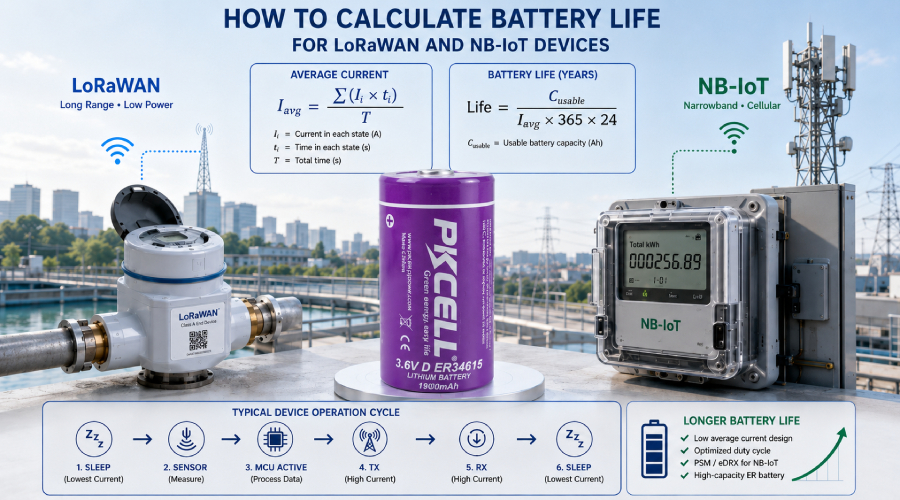
Наиболее практичный способ оценить срок службы батареи — рассчитать средний ток за полный цикл работы устройства, а затем применить реалистичные корректировки с учетом температуры, импульсного тока, саморазряда, отключения по напряжению, повторных попыток подключения к сети и старения.
Для промышленных устройств Интернета вещей с длительным сроком службы часто предпочтение отдается первичным литиевым батареям, таким как элементы LiSoCl2 ER и аккумуляторные блоки ER + HPC, поскольку они обеспечивают высокую плотность энергии, низкий саморазряд и длительный срок службы.
Простейшая формула расчета времени работы батареи выглядит следующим образом:
Простая формулаВремя работы от батареи (часы) = Полезная емкость батареи (мАч) / Средний ток (мА)Срок службы батареи (лет) = Срок службы батареи (часов) / 24 / 365
Эта формула полезна, но она точна только в том случае, если средний ток измерен правильно. Устройства IoT не потребляют одинаковый ток постоянно. Обычно они проводят большую часть своей жизни в спящем режиме, а затем просыпаются для сбора данных, их обработки, беспроводной передачи, приема сигналов, сетевой активности и иногда повторной передачи.
Более практичная формула для устройств Интернета вещей
Формула на основе циклаСредний ток = Общее потребление заряда за цикл / Время циклаIavg = Σ(I × t) / T
Символ
Значение
I
Текущее состояние в каждом режиме работы, например, спящий режим, режим обнаружения, режим передачи, приема или подключение модема.
t
Продолжительность каждого рабочего состояния
T
Общее время цикла, например, один отчетный интервал.
Средний
Средний ток, используемый для расчета срока службы батареи.
Почему теоретического времени работы батареи недостаточно
Теоретический расчет предполагает идеальные условия. Реальные условия эксплуатации в полевых условиях отличаются. Изменения температуры, качество сигнала, импульсный ток, старение батареи, саморазряд, пассивация и напряжение отсечки устройства — все это снижает полезную емкость.
Практическая оценкаПрактический срок службы батареи = Теоретический срок службы батареи × Коэффициент снижения мощности
Техническая заметка
В проектах промышленного Интернета вещей инженерам не следует использовать 100% номинальной емкости батареи при расчете срока службы. Необходим запас прочности на случай полевых условий, особенностей работы сети, времени хранения и производственных колебаний.
2. Основные режимы энергопотребления в устройствах LoRaWAN и NB-IoT.
Перед расчетом времени автономной работы устройства разделите его на режимы энергопотребления. Это предотвратит недооценку расхода энергии.
Типичный цикл питания устройств Интернета вещей
Спать
Проснуться
Датчик
Обработка микроконтроллером
TX
RX / Слушать
Снова уснуть
Состояние мощности
Что в него входит
Влияние на срок службы батареи
Спящий режим
режим сна микроконтроллера, режим ожидания датчика, ток покоя регулятора, ток утечки
Это крайне важно для длительных периодов отчетности, поскольку устройство может находиться в спящем режиме более 99% времени.
Измерение с помощью датчика
Показания счетчиков, температура, давление, датчики газа, GNSS, акселерометр или другие датчики.
Может потреблять больше всего энергии, когда датчикам требуется нагрев, длительное время выборки или позиционирование с помощью GNSS.
Обработка микроконтроллером
Пробуждение, обработка данных, шифрование, подготовка пакетов, запись в память.
Обычно короткий, но все же должен быть включен в каждый цикл.
Передача инфекции
Восходящий канал LoRaWAN или передача данных NB-IoT
Часто это самый большой пиковый ток в цикле работы устройства.
Принимать / Слушать
LoRaWAN принимает окна, пейджинг NB-IoT, ответы сервера или активный таймер.
Часто игнорируется, но может значительно сократить срок службы батареи.
3. Как рассчитать время работы батареи для устройств LoRaWAN
Устройства LoRaWAN широко используются в интеллектуальных счетчиках, датчиках окружающей среды, парковочных датчиках, промышленных устройствах мониторинга и системах отслеживания активов. Для приложений с питанием от батарей часто выбирается режим работы класса А, поскольку он минимизирует время приема по сравнению с режимами, которые прослушивают чаще.
Формула расчета срока службы батареи LoRaWAN
Qcycle = Qsleep + Qsensor + Qmcu + Qtx + Qrx1 + Qrx2 + Qretry + QjoinСреднее значение Iavg = Qцикл / Время циклаВремя работы батареи = Полезная емкость / Среднее значение
Параметр
Значение
Qsleep
Энергия, потребляемая в спящем режиме
Qsensor
Энергия, потребляемая датчиками во время измерения
Qmcu
Энергия, потребляемая микроконтроллером при пробуждении, обработке, шифровании и записи в память.
Qtx
Энергия, используемая во время передачи LoRa
Qrx1 / Qrx2
Энергия, затраченная во время приемных окон после восходящего канала связи.
Qretry
Дополнительная энергия, возникающая из-за подтвержденных сообщений, сбоев в передаче данных или плохого качества сигнала.
Qjoin
Усредненная энергия при подключении или повторном подключении за ожидаемый срок службы
Параметры LoRaWAN, влияющие на срок службы батареи
Фактор
Влияние на срок службы батареи
Интервал восходящей связи
Увеличение интервала обычно снижает средний ток и продлевает срок службы батареи.
Размер полезной нагрузки
Увеличение полезной нагрузки может повысить время полета и энергозатраты на передачу.
Коэффициент распространения
Более высокий коэффициент распространения увеличивает время полета и может сократить срок службы батареи.
TX Power
Более высокая мощность передачи увеличивает потребление тока во время восходящего канала.
Подтверждено соединение
Подтверждения и повторные попытки могут увеличить энергию приема и передачи.
Настройка ADR
Правильно настроенная стратегия адаптивной скорости передачи данных может сократить время работы эфира и энергопотребление.
Качество сигнала
Плохое покрытие может привести к увеличению количества повторных попыток, передаче на высокой мощности и общему времени работы в эфире.
Температура
Низкая температура может снизить полезную мощность и увеличить падение напряжения под нагрузкой.
Пример структуры вычислений LoRaWAN
1Измерение тока в спящем режиме, включая ток покоя микроконтроллера, датчиков, RTC, памяти и регулятора.
2Для каждого измерения измеряйте ток датчика и время его работы.
3Измерьте активный ток микроконтроллера и длительность обработки.
4Измерьте текущее время работы и время передачи данных по LoRa TX при реалистичных настройках скорости передачи данных и полезной нагрузки.
5Включите окна приема RX1 и RX2 после каждого канала восходящей связи.
6Добавьте запас по количеству повторных попыток для подтвержденных сообщений, слабого сигнала, зоны покрытия шлюза и условий установки.
7Учитывайте снижение номинальных характеристик из-за саморазряда, температуры, пассивации и отключения по напряжению.
4. Как рассчитать время работы батареи для устройств NB-IoT
Устройства NB-IoT используют сотовую инфраструктуру LPWAN и широко применяются в интеллектуальных газовых счетчиках, интеллектуальных счетчиках воды, городской инфраструктуре, промышленном мониторинге и удаленном оборудовании. Время работы от батареи зависит не только от прошивки устройства, но и от зоны покрытия сети, настроек оператора, PSM, eDRX, поведения при подключении и повторных передач.
Формула расчета срока службы батареи NB-IoT
Qcycle = Qsleep + Qsensor + Qmcu + Qattach + Qtx + Qrx + Qpsm + Qedrx + QretryСреднее значение Iavg = Qцикл / Время циклаВремя работы батареи = Полезная емкость / Среднее значение
Важные состояния энергопотребления NB-IoT
Состояние мощности
Описание
Глубокий сон
Устройство неактивно, микроконтроллер, датчики и модем потребляют минимальный ток.
ПСМ
Режим энергосбережения позволяет устройству оставаться зарегистрированным в спящем режиме, что снижает потребность в энергии для частого повторного подключения.
eDRX
Функция расширенного прерывистого приема позволяет устройству прослушивать пейджинговые вызовы с более длительными интервалами.
Прикрепить / TAU
Регистрация в сети и обновление зоны отслеживания могут потреблять значительное количество энергии.
Данные TX
Передача данных в восходящем канале, часто с высоким пиковым током и переменной длительностью.
Приём / Пейджинг
Окна прослушивания нисходящего канала, ответа сервера, активного таймера или пейджинга.
Поиск по сети
Высокий энергопотребление при слабом сигнале, отсутствии покрытия или частом поиске устройством сети.
Параметры NB-IoT, влияющие на срок службы батареи
Фактор
Влияние
Отчетный интервал
Увеличение интервалов снижает количество пробуждений модема и передач данных.
Таймер PSM
Увеличение продолжительности работы PSM может снизить энергопотребление, но фактические значения зависят от возможностей сети.
eDRX Cycle
Более длительный цикл eDRX снижает частоту прослушивания, но увеличивает задержку нисходящего канала.
Активный таймер
Более длительное время активности после передачи увеличивает потребление энергии.
Уровень сигнала
Слабый сигнал может увеличить мощность передачи, время повторной передачи и время поиска в сети.
Полезная нагрузка и протокол
Технологии MQTT, CoAP, UDP, TCP и формат полезной нагрузки приложения влияют на энергопотребление при передаче.
Мобильность
Перемещающиеся устройства могут потреблять больше энергии из-за перевыбора сотовой связи и изменения зоны покрытия.
Распространенные ошибки при расчете времени автономной работы устройств NB-IoT.
Предполагается, что настройки PSM и eDRX всегда принимаются в точности так, как запрашивает устройство.
Игнорируя энергию, затраченную на присоединение, TAU, активный таймер и энергию сетевого поиска.
Использование лабораторных условий передачи сигнала вместо реального полевого покрытия.
Измерения не проводились с использованием фактической SIM-карты, сети оператора, антенны, корпуса и прошивки.
Выбор батареи, основываясь только на номинальной емкости в мАч, без проверки импульсного тока и падения напряжения.
5. Время автономной работы LoRaWAN и NB-IoT: в чем разница?
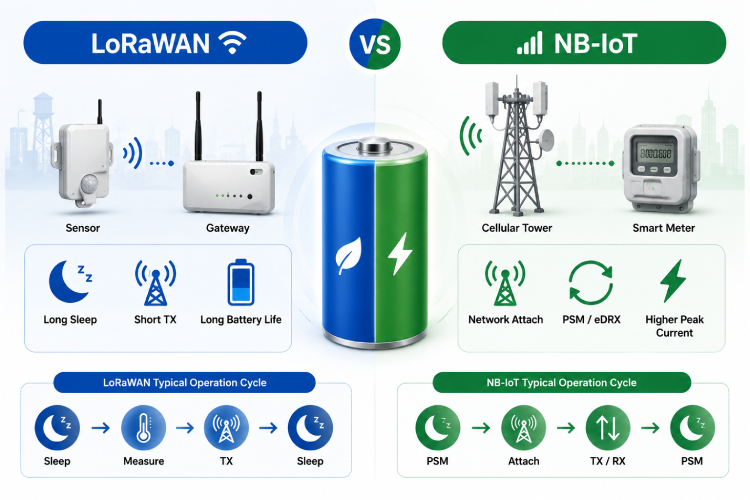
Рисунок 1. Различия в показателях времени автономной работы устройств LoRaWAN и NB-IoT.
Элемент
LoRaWAN
NB-IoT
Тип сети
LPWAN с использованием нелицензированного спектра
Сотовая LPWAN, специфицированная 3GPP.
Типичные области применения
Датчики, счетчики, парковочные устройства, мониторинг окружающей среды, отслеживание активов.
Импульсный ток, окна приема, длительное хранение, температура
Более высокий пиковый ток, более длительные периоды передачи, падение напряжения, нестабильность сети.
Рекомендуемая батарея
LiSoCl2 аккумулятор ER, ER + HPC для высокоимпульсных применений
Литий-солнечно-хлоридный аккумулятор (LiSoCl2) для электроэрозионной обработки, часто используется в составе батарейного блока ER + HPC для работы с высоким импульсным током.
6. Выбор химического состава батарей для устройств LoRaWAN и NB-IoT
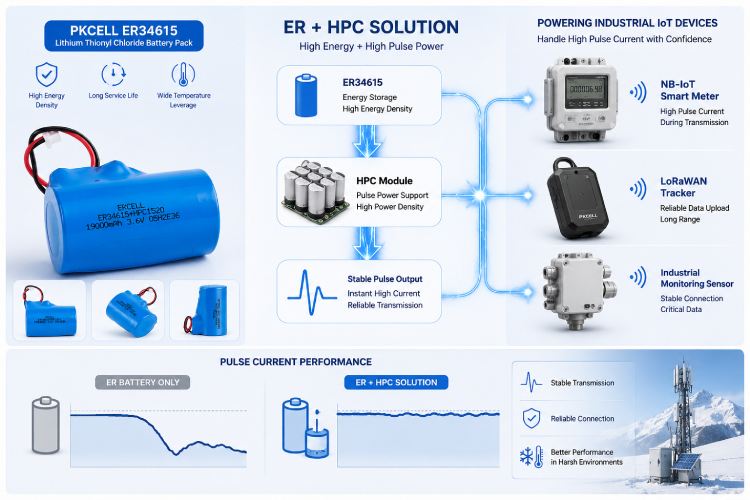
Рисунок 2. Архитектура ER + HPC обеспечивает стабильную поддержку импульсного тока для беспроводной передачи данных в Интернете вещей.
Две батареи с одинаковой номинальной емкостью могут демонстрировать совершенно разные характеристики в полевых условиях. В проектах IoT с длительным сроком службы необходимо учитывать саморазряд, температурный диапазон, импульсную характеристику, платформу напряжения, время хранения, внутреннее сопротивление и требования безопасности.
Тип батареи
Преимущества
Ограничения и варианты использования
Щелочные
Низкая стоимость и легкая доступность
Повышенный саморазряд и более низкая производительность при низких температурах; подходит для бытовых устройств с коротким сроком службы.
Перезаряжаемый литий-ионный аккумулятор
Перезаряжаемый и подходит для работы от сильноточных источников тока.
Требуется схема зарядки и защита; не подходит для использования во многих системах с необслуживаемыми основными батареями.
LiMnO2
Стабильное выходное напряжение 3 В и хорошая импульсная характеристика.
Широко используются в системах сигнализации, трекерах, беспроводных устройствах и приложениях, требующих первичных литиевых элементов питания на 3 В.
LiSoCl2 ER
Высокая плотность энергии, низкий саморазряд, длительный срок хранения, стабильная платформа напряжения.
Отлично подходит для интеллектуальных счетчиков, удаленных датчиков и промышленного интернета вещей; для приложений с высокой импульсной нагрузкой может потребоваться дополнительная поддержка.
LiSoCl2 + HPC
Сочетает в себе длительный срок службы накопителя энергии с улучшенным импульсным выходным сигналом.
Рекомендуется для устройств NB-IoT, GNSS-трекеров, счетчиков управления клапанами и беспроводных устройств с импульсными токами.
Когда следует использовать аккумуляторные батареи ER + HPC?
Устройства NB-IoT с высоким пиковым током передачи.
Трекеры LoRaWAN с позиционированием GNSS и периодической передачей данных.
Интеллектуальные счетчики с управлением клапанами или электроприводом.
Применение в условиях низких температур, где падение напряжения более значительное.
Устройства, требующие более 10 лет службы и использующие беспроводные импульсные нагрузки.
7. Факторы, влияющие на снижение характеристик, которые инженеры должны учитывать.
Коэффициент снижения рейтинга
Почему это важно
Температура
Низкая температура снижает полезную емкость и увеличивает падение напряжения; высокая температура может ускорить старение и саморазряд.
Импульсный ток
Батарея может обладать достаточной емкостью, но выйти из строя, если она не может поддерживать передачу модема, запуск GNSS или импульсы управления клапаном.
Самостоятельная выписка
Даже низкий уровень саморазряда становится важным при развертывании войск на 10 и 15 лет.
Напряжение отсечки
Устройства перестают работать, когда напряжение падает ниже минимального рабочего напряжения, даже если сохраняется некоторая емкость.
Пассивация
В элементах на основе LiSoCl2 может наблюдаться задержка напряжения после длительного хранения или работы при низком токе; необходимо проверить профиль нагрузки и поддержку импульсов.
Сетевое поведение
Слабое покрытие, повторная передача и более длительное время работы могут потреблять гораздо больше энергии, чем ожидалось.
Оценка полезной мощностиДоступная емкость = Номинальная емкость - Потери на саморазряд - Потери на перегрев - Неиспользуемая остаточная емкость
8. Практические примеры расчета срока службы батареи
Пример 1: Интеллектуальный счетчик воды LoRaWAN
Параметр
Пример настроек
Тип устройства
Умный водомер LoRaWAN
Интервал отчета
Каждые 6 часов
Класс устройства
Класс А
Полезная нагрузка
12 байт
Целевая жизнь
10 лет
Вариант батареи
В зависимости от профиля тока и ограничений по размеру, подойдет аккумуляторная батарея ER18505, ER26500, ER34615 или изготовленная на заказ литий-солнечно-хлоридная батарея.
Для данного устройства инженеру следует рассчитать потребление энергии в режиме сна за весь 6-часовой интервал, добавить потребление энергии датчиками и активным микроконтроллером, учесть передачу по LoRa и два окна приема, а затем добавить запас по повторным попыткам и температуре.
Пример 2: Газовый счетчик NB-IoT
Параметр
Пример настроек
Тип устройства
Умный газовый счетчик NB-IoT
Интервал отчета
Один раз в день
Режим питания
Поддержка PSM включена, eDRX зависит от требований к нисходящему каналу.
Требования к нисходящему каналу связи
Редкие сообщения в нисходящем канале, в основном сообщения в восходящем канале.
Целевая жизнь
от 10 до 15 лет
Вариант батареи
Аккумуляторная батарея ER26500, ER34615 или ER + HPC для работы с высоким импульсным током.
Для NB-IoT инженерам следует проводить тестирование в реальной сети оператора. Параметры подключения, TAU, активного таймера, уровня сигнала, повторной передачи и режима энергосбережения могут существенно повлиять на реальное время работы батареи.
Простой калькулятор времени работы батареи
Воспользуйтесь этим простым калькулятором для быстрой оценки. Он не заменяет измерение реального тока, проверку температуры и проверку импульсного тока.
Результаты измерения времени работы батареи отобразятся здесь.
9. Контрольный список для расчета срока службы батареи
Перед выбором батареи соберите следующую информацию. Эти данные позволят поставщику батарей и инженеру-разработчику устройства порекомендовать более безопасное и реалистичное решение.
Необходимые данные
Почему это важно
Текущий уровень сигнала спящего режима устройства
Определяет долгосрочное потребление в режиме ожидания.
активный ток микроконтроллера
Влияет на каждый цикл пробуждения
Ток датчика и длительность
Важно для устройств, требующих интенсивных измерений.
Текущее время и продолжительность радиопередачи
Основной потребитель энергии в беспроводной связи
Текущий уровень приема и время прослушивания
Важно для окон приема LoRaWAN и времени активности NB-IoT.
Отчетный интервал
Определяет коэффициент заполнения и средний ток.
Качество сигнала
Влияет на мощность передачи, ретрансляцию, поиск в сети и эфирное время.
Рабочая температура
Влияет на полезную емкость, внутреннее сопротивление и стабильность напряжения.
Пиковый ток
Определяет, требуется ли ER + HPC или другое решение для поддержки импульсной терапии.
Минимальное напряжение
Определяет, какой номинальный объем емкости батареи фактически может быть использован устройством.
10. Как продлить срок службы батареи в устройствах LoRaWAN и NB-IoT
Оптимизация прошивки и сети
По возможности сократите частоту составления отчетов.
Оптимизируйте размер полезной нагрузки и избегайте ненужных полей данных.
Правильно используйте режим глубокого сна для микроконтроллера, датчиков, регулятора и модема.
Сократите количество ненужных подтвержденных сообщений в приложениях LoRaWAN.
Используйте NB-IoT PSM и eDRX в соответствии с требованиями к нисходящему каналу связи приложения.
Проверьте фактическое потребление тока с помощью финальной версии прошивки и сети.
Оптимизация аппаратного обеспечения и энергопотребления
Улучшите положение антенны и места её установки, чтобы уменьшить количество повторных попыток.
Выберите химический состав батареи, подходящий для длительной работы в качестве основного источника питания.
Проверьте пиковый ток и падение напряжения во время событий передачи и работы датчиков.
Добавьте поддержку высокопроизводительных вычислений (HPC) в тех случаях, когда требуется высокий импульсный ток.
Примените реалистичные значения снижения номинальной мощности при высоких температурах и саморазряде.
Проведение испытаний в реальных условиях корпуса, антенны, температуры и сети.
11. Рекомендуемые батареи для устройств LoRaWAN и NB-IoT
Для маломощных датчиков LoRaWAN
Рекомендуемое направление установки батарей: ER14250, ER14505, ER18505 или CR123A в зависимости от напряжения, потребляемого тока, занимаемого пространства и частоты связи.
Области применения: датчики окружающей среды, парковочные датчики, дверные датчики, беспроводные модули считывания показаний счетчиков и устройства мониторинга с низким коэффициентом использования мощности.
Для интеллектуальных счетчиков и промышленных датчиков
Рекомендуемый тип батареи: ER26500, ER34615 или специализированный литий-солнечно-хлоридный аккумуляторный блок.
Области применения: интеллектуальные счетчики воды, интеллектуальные счетчики газа, теплосчетчики, дистанционные датчики давления, промышленные устройства мониторинга и наружная инфраструктура.
Для устройств NB-IoT и устройств с высокой импульсной мощностью
Рекомендуемая конфигурация батареи: аккумуляторный блок ER + HPC, ER26500 + HPC, ER34615 + HPC или аккумуляторный блок, изготовленный на заказ, с разъемом, проводом, контактами и корпусом.
Области применения: интеллектуальные счетчики NB-IoT, системы отслеживания активов GNSS, счетчики управления клапанами, промышленные сигнализации, системы отслеживания холодовой цепи и оборудование для дистанционной телеметрии.
Нужна помощь в выборе батареи?
Отправьте в PKCELL данные о напряжении вашего устройства, токе в спящем режиме, токе в активном режиме, пиковом токе, интервале передачи, рабочей температуре, целевом сроке службы, ограничениях по размеру и требованиях к разъему. Наши инженеры помогут оценить срок службы батареи и порекомендуют подходящий элемент LiSoCl2, батарею серии ER, решение для высокопроизводительных вычислений (HPC) или аккумуляторный блок, изготовленный на заказ.
12. Часто задаваемые вопросы о времени автономной работы LoRaWAN и NB-IoT
Как рассчитать время автономной работы устройства IoT?
Срок службы батареи рассчитывается путем деления полезной емкости батареи на средний ток. Для устройств IoT средний ток должен включать в себя время сна, время работы датчиков, обработку данных микроконтроллером, передачу данных, время приема, сетевую активность, повторные попытки и снижение мощности.
Почему время автономной работы моего устройства LoRaWAN оказалось меньше, чем ожидалось?
К распространенным причинам относятся высокий коэффициент расширения спектра, слабый сигнал, частые восходящие каналы связи, подтвержденные сообщения, повторная передача, высокий ток в спящем режиме, низкая температура и неправильный химический состав батареи.
Почему NB-IoT потребляет больше энергии, чем ожидалось?
Потребление энергии устройствами NB-IoT может увеличиваться из-за слабого сигнала сотовой связи, частого подключения к сети, длительного активного таймера, проблем с конфигурацией PSM/eDRX, повторной передачи, поиска в сети и накладных расходов протокола.
Является ли LoRaWAN более энергоэффективным, чем NB-IoT?
Это зависит от приложения, интервала передачи данных, полезной нагрузки, зоны покрытия, конфигурации сети и конструкции устройства. LoRaWAN часто используется для сенсорных приложений с малым объемом данных и большими интервалами передачи. NB-IoT подходит для развертывания сотовых сетей на больших территориях, но требует тщательной оптимизации PSM, eDRX, качества сигнала и поведения модема.
Какая батарея лучше всего подходит для датчиков LoRaWAN?
Для датчиков LoRaWAN с длительным сроком службы обычно используются литий-солнечно-хлоридные (LiSoCl2) батареи ER. Если устройство имеет более высокий импульсный ток, использует GNSS или часто отправляет беспроводные пакеты данных, более подходящим может быть аккумуляторный блок ER + HPC.
Какая батарея лучше всего подходит для устройств NB-IoT?
Для устройств NB-IoT обычно требуется аккумуляторное решение, поддерживающее высокий пиковый ток и длительный срок службы. Для интеллектуальных счетчиков, трекеров и промышленных устройств IoT часто выбирают литий-солнечно-хлоридные (LiSoCl2) аккумуляторные батареи ER или аккумуляторные блоки ER + HPC.
Почему номинальной емкости батареи недостаточно?
Номинальная емкость не отражает всех реальных условий эксплуатации. На полезную емкость влияют температура, разрядный ток, импульсная нагрузка, напряжение отсечки, саморазряд, время хранения, пассивация и старение.
Нужен ли мне высокопроизводительный вычислительный центр для моего аккумуляторного блока для IoT-устройства?
Высокопроизводительные вычисления (HPC) полезны, когда устройство работает с высокими импульсными токами, например, при передаче данных NB-IoT, запуске GNSS, управлении клапанами, повторных попытках беспроводной связи или работе в условиях низких температур. Они помогают снизить падение напряжения во время импульсных перепадов тока.
Действительно ли устройство может проработать 10 лет от одной батареи?
Да, но только при условии, что система имеет низкий средний ток, оптимизированное поведение связи, подходящий химический состав батареи, достаточную полезную емкость, низкий саморазряд и прошла проверку в реальных полевых условиях.
Какую информацию я должен предоставить поставщику аккумуляторов?
Укажите напряжение устройства, ток в спящем режиме, ток в активном режиме, пиковый ток, длительность передачи/приема, интервал отчетности, размер полезной нагрузки, рабочую температуру, срок службы целевого устройства, минимальное напряжение отсечки, ограничение по пространству, требования к разъему и требования к сертификации.
Вывод: расчет срока службы батареи начинается с реальных данных о потребляемой мощности.
Срок службы батарей LoRaWAN и NB-IoT нельзя оценить, исходя только из номинальной емкости батареи. Инженерам необходимо рассчитать средний ток за полный цикл работы устройства, а затем применить реалистичные корректировки с учетом температуры, саморазряда, импульсного тока, пассивации, отключения напряжения и поведения сети.
Для долгосрочных промышленных проектов в сфере Интернета вещей литий-солнечно-хлоридные (LiSoCl2) аккумуляторы ER и аккумуляторные блоки ER + HPC могут обеспечить надежные энергетические решения для интеллектуальных счетчиков, систем отслеживания активов, удаленных датчиков и промышленного оборудования мониторинга.