

Перезаряжаемые батареи выглядят привлекательно на бумаге — меньше отходов, возможность повторного использования элементов, экологичность. Но инженеры, которые занимались устранением неполадок в полевых условиях, знают, что «перезаряжаемые» не всегда означают «лучше», особенно если устройство лежит без присмотра на холодном складе в течение шести месяцев между использованиями.
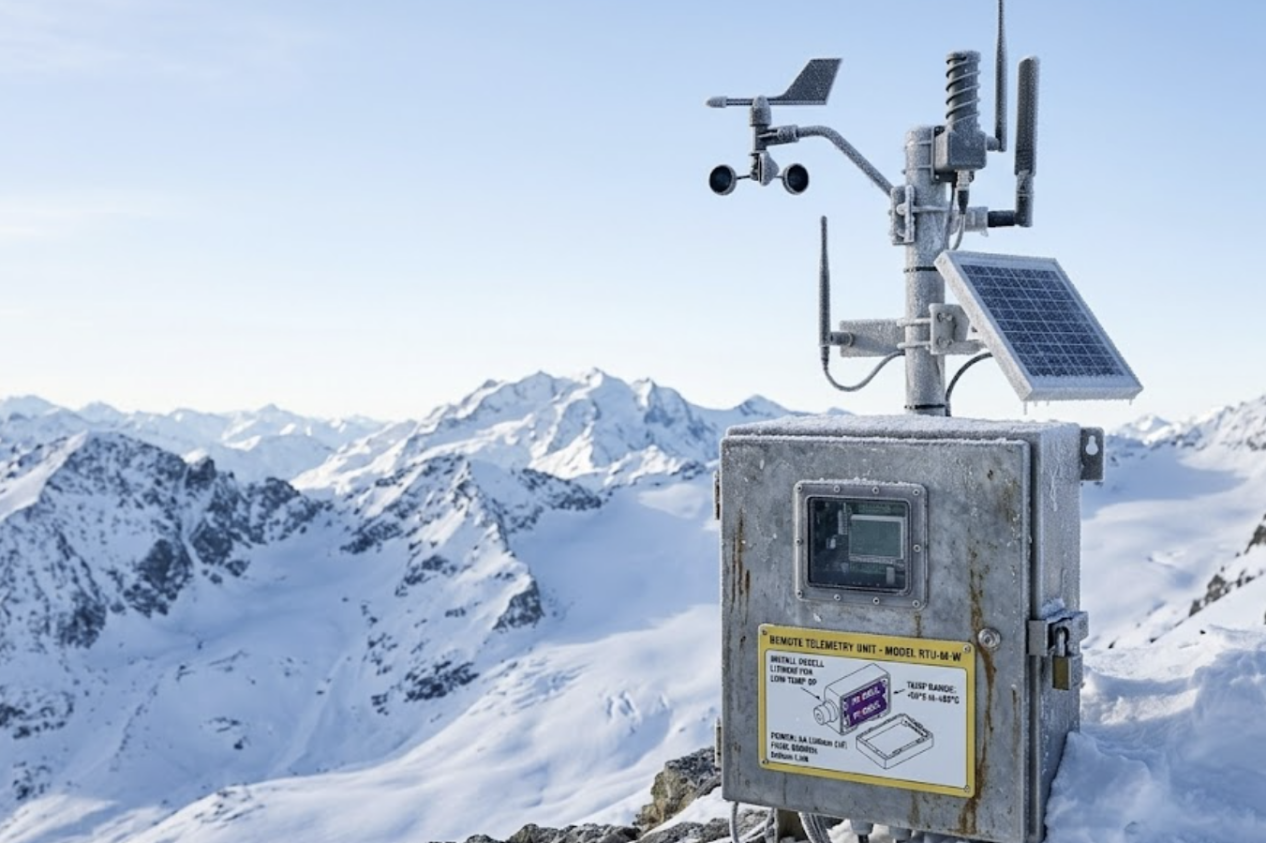
Возьмем, к примеру, автоматизированные термостатические радиаторные клапаны, удаленные телеметрические станции или портативное медицинское диагностическое оборудование. Эти устройства сильно нагружают систему во время обработки больших объемов данных и активации двигателей, а затем долгое время находятся в режиме ожидания. Такое сочетание негативно сказывается на вторичных химических процессах, и эти процессы редко учитываются лабораторными тестами. Как никель-металлгидридные, так и перезаряжаемые литий-ионные элементы страдают от саморазряда в периоды простоя — иногда этого достаточно, чтобы предотвратить холодный запуск, когда устройству наконец-то нужно «проснуться». Для сети из 500 удаленных датчиков это не просто небольшое неудобство; это системная проблема надежности.
Есть еще и аспект технического обслуживания. Для развертывания перезаряжаемых систем требуется зарядная инфраструктура, плановые сервисные визиты и специалист, который будет отслеживать, какие элементы нуждаются в замене. В доступных местах это управляемо. В удаленных или географически разбросанных установках это становится логистической нагрузкой, которая незаметно сводит на нет любую экономию средств, которую должна была обеспечить перезаряжаемая химическая система. Команды по закупкам, работавшие с...Надежные заводы по производству литий-железо-сульфидных батарей типоразмера AA.Как правило, приходят к одному и тому же выводу: для автономных промышленных установок с длительным циклом эксплуатации первичный литий просто более целесообразен с точки зрения производственных процессов.
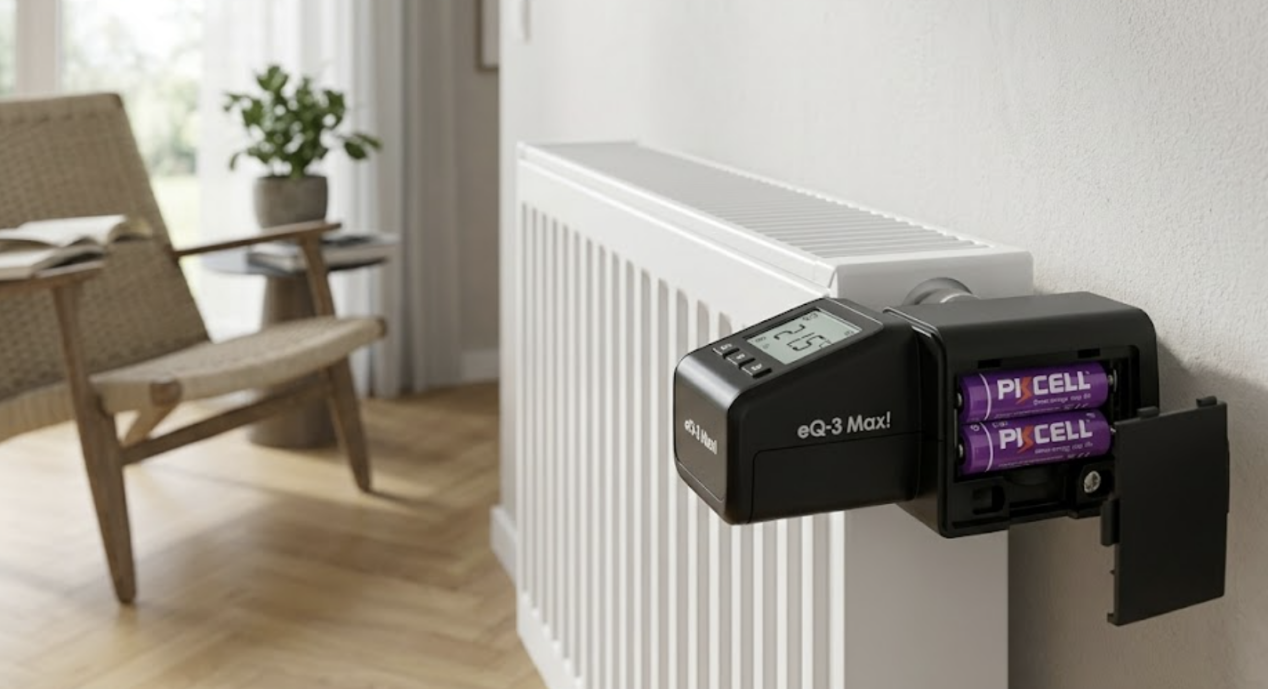
Электрохимия без мифов: непревзойденная термодинамическая устойчивость литий-железо-сульфида (FR6) с напряжением 1,5 В.
Элемент питания FR6 (в некоторых странах также обозначаемый как FR14505) сочетает в себе чистый литиевый анод и катод из дисульфида железа. Эта комбинация обеспечивает номинальное выходное напряжение 1,5 В, что означает, что он устанавливается непосредственно в любой слот для батареек типа AA без необходимости использования адаптера напряжения или настройки прошивки. Однако на этом сходство со щелочными батарейками заканчивается. При постоянной нагрузке щелочные батарейки теряют напряжение; кривая LiFeS2 остается сравнительно плоской на протяжении всего цикла разряда, что важно для микропроцессоров, которые перезагружаются при падении напряжения питания ниже порогового значения.
С точки зрения емкости, разница при высоком токе разряда существенна. При больших токах разряда в миллиамперах LiFeS2-химия может обеспечить в несколько раз больше полезной энергии, чем щелочной элемент сопоставимого размера. Ионы лития эффективно перемещаются через органический электролит, а внутренняя химия не вызывает побочных реакций, которые снижают емкость щелочных элементов под нагрузкой.
Главное преимущество первичных литиевых батарей заключается в их саморазряде. Ежегодная потеря емкости составляет менее одного процента в качественно изготовленных элементах, а это значит, что батарея, пролежавшая на складе пять или даже десять лет, все еще будет функционально готова к использованию. Эта характеристика бесценна для устройств, которые поставляются за несколько месяцев до начала эксплуатации или которые большую часть своего срока службы проводят в неактивном состоянии.
Диапазон рабочих температур — еще одно практическое отличие. Литий-железо-сульфидные элементы работают в диапазоне температур примерно от минус 40°C до 60°C. Вторичные элементы на водной основе замерзают при отрицательных температурах, физически блокируя перенос ионов и вызывая немедленный выход из строя — серьезная проблема для любого, кто их использует.мониторинг холодовой цепина трансграничных маршрутах с низкими температурами. Холодильная цепь в фармацевтической промышленности, логистика продуктов питания и отслеживание замороженных товаров зависят от бесперебойной работы датчиков при температурах, которые просто несовместимы с перезаряжаемыми аналогами.
Исключение инженерных ошибок из системы: архитектура точного производства и безопасности PKCELL
Стабильные электрохимические характеристики начинаются со стабильного производства. Незначительные вариации толщины активного материала или плотности покрытия электрода напрямую приводят к неравномерному внутреннему сопротивлению, а именно неравномерное сопротивление является причиной микрокоротких замыканий внутри ячеек, которые в остальном выглядят нормально на этапе контроля качества.
PKCell (Shenzhen Pkcell Battery Co., Ltd.)Эта проблема решается с помощью полностью автоматизированных сборочных линий, где системы компьютерного зрения проверяют равномерность покрытия в каждой ячейке каждой партии. Цель состоит не только в обнаружении дефектов, но и в устранении вариативности процесса, которая их и порождает.
Архитектура механической безопасности отражает аналогичные принципы. Каждый корпус элемента питания включает в себя предохранительный клапан, предназначенный для предотвращения накопления газа внутри при термических нагрузках, переключатель с положительным температурным коэффициентом, ограничивающий импульсные токи для защиты нижестоящих цепей, и изоляционные прокладки, изготовленные методом лазерной обжимки, предотвращающие утечку электролита в течение многих лет эксплуатации. Эти функции не являются опциональными для премиальных моделей; они входят в стандартную комплектацию всей производственной линии.
Замена ручной намотки роботизированной сборкой также устраняет распространенный источник несоответствия размеров. Клеммные контакты, даже незначительно отличающиеся по физическим размерам, могут вызывать периодические сбои в соединении под воздействием вибрации — сбои, которые проявляются через несколько месяцев после начала эксплуатации и которые действительно трудно диагностировать удаленно. Роботизированные процессы обеспечивают допуски, которые ручные операции просто не могут обеспечить в больших объемах.
Расчеты закупок: снижение совокупной стоимости владения и минимизация логистических рисков при глобальном развертывании Интернета вещей.
Сравнение совокупной стоимости владения (TCO) между первичными и вторичными батареями обычно меняется, как только учитываются скрытые затраты. Для перезаряжаемых систем требуется зарядное оборудование, проводная инфраструктура и постоянное обслуживание на местах. Емкость вторичных элементов снижается с каждым циклом зарядки, а это значит, что программы замены все равно будут проводиться — просто по графику, определяемому деградацией, а не фактическим истощением. Для распределенных сетей IoT одни только затраты на полевой персонал могут значительно превышать экономию на материалах батарей.
Использование первичного лития позволяет устранить большую часть этих издержек. Когда емкость элемента соответствует сроку службы устройства, батарея устанавливается во время производства и не извлекается до тех пор, пока устройство не будет выведено из эксплуатации или заменено. Нет необходимости в выездах для зарядки на месте, отслеживании емкости, управлении кривой деградации.
Готовность к сертификации также имеет значение, особенно для международной дистрибуции. Основная линейка литиевых аккумуляторов PKCell имеет сертификаты UL, UN38.3 и RoHS. Эти документы являются обязательным условием для таможенного оформления на большинстве крупных рынков — без них поставки задерживаются, запускаются проверки, а сроки запуска сдвигаются. Наличие производственного партнера, у которого уже есть вся необходимая документация, устраняет категорию рисков при закупках, которую легко недооценить, пока она не вызовет проблемы.
Для глобальных технологических брендов, развертывающих оборудование на различных рынках и в разных климатических условиях, сочетание стабильной производительности в полевых условиях, минимальных затрат на техническое обслуживание и безупречного нормативного статуса делает использование первичных литиевых батарей в качестве архитектуры питания по умолчанию в высокопотребляющих приложениях IoT весьма перспективным с практической точки зрения.
Корпоративный веб-сайт:https://www.pkcellpower.com/
Дата публикации: 18 июня 2026 г.


